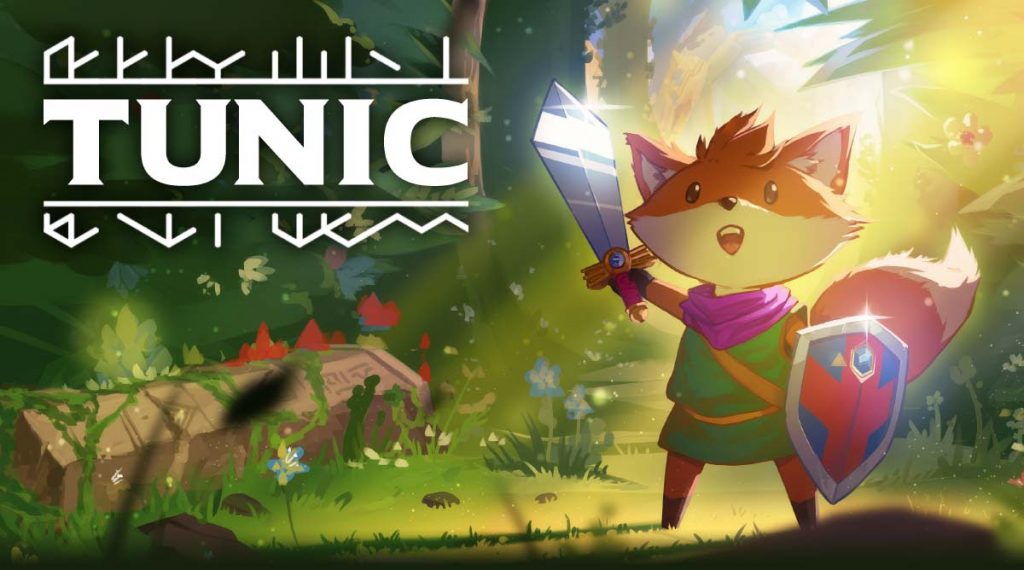
Senza dubbio tra le sorprese dello scorso anno, Tunic ha saputo conquistare il pubblico e la stampa grazie alla magia e autentica nostalgia che il suo autore Andrew Shouldice è riuscito a trasmettere nel suo lavoro. A un anno dal suo lancio, ho virtualmente raggiunto Andrew per porgli alcune domande sullo sviluppo, il successo del titolo e il rapporto con Microsoft e il suo Xbox Game Pass, dove il titolo era stato rilasciato in esclusiva temporanea.

GameSource.it: È passato quasi un anno da quando Tunic è stato rilasciato su Xbox, ripensando al momento in cui hai cominciato a lavorare sul gioco avresti mai immaginato un’accoglienza così positiva dal pubblico e non solo?
Andrew Shouldice: Assolutamente no. Per la maggior parte della fase di sviluppo ero convinto di aver realizzato un pasticcio tremendo e che la gente non avrebbe trovato granché da apprezzare in TUNIC. Con l’avvicinarsi della scadenza sul rilascio, mi sono sentito un po’ più felice pensando di aver almeno realizzato qualcosa che pensavo fosse ben fatto. Ero completamente impreparato all’accoglienza ricevuta. Ancora non riesco a crederci, davvero.
GS: Tunic è straordinario per il suo gameplay, la direzione artistica e la colonna sonora originale considerando che si tratta quasi di un’opera individuale, qual è stato il contributo di Finji nel completare il gioco?
AS: TUNIC è stato un lavoro di squadra! Kevin Regamey di Power Up Audio era il direttore audio e la musica è stata composta da LIFEFORMED e Janice Kwan. Eric Billingsly ha aiutato con la grafica e gli effetti di livello. Anche il contributo di Finji è stato decisamente importante a partire dal ruolo di mentore, passando per le discussioni sul design, marketing e gestione della community, fino ad arrivare al loro straordinario team QA. Questo gioco non sarebbe quello che è oggi senza l’apporto di ogni singola persona che vi ha contribuito.
Control Resonant è meravigliosamente imperfetto | Recensione
Iscriviti al canale →

GS: Ho adorato il design di Tunic e l’aura nostalgica che permea l’intera esperienza di gioco (qui la mia recensione -ndr). In particolare ho davvero apprezzato la brillante idea del manuale di gioco. Ti sei ispirato agli splendidi libretti inclusi nelle vecchie cartucce dei giochi o alle guide dei giochi pubblicate su certe vecchie riviste di videogiochi? O c’è qualcos’altro?
AS: Sì! Amo tantissimo i vecchi manuali di istruzioni. Li apprezzo come reliquie ovviamente, ma anche come icone di ciò che ha significato essere un bambino e non comprendere appieno lo scopo di un gioco. Ho molti bei ricordi di quando leggevo attentamente i libretti dei giochi per NES e Game Boy lasciando che la mia immaginazione prendesse piede.
GS: Come sviluppatore, pensi che l’inclusione di Tunic su Xbox Game Pass al Day One abbia agevolato il tuo lavoro e la tua vena creativa?
AS: Lavorare con Xbox, sia per Game Pass che per una miriade di altre cose, è stato fantastico. Ci hanno sempre permesso di realizzare esattamente il gioco che volevamo e hanno capito di cosa aveva bisogno TUNIC per la sua realizzazione. Essere su Game Pass rappresenta la fiducia riposta in noi e lo apprezzo davvero tanto. A livello creativo è davvero gratificante sentirsi dire che Xbox ha fiducia in te!

GS: Pensando al futuro, quale opinione ti sei fatto sui servizi in abbonamento? Potrebbero diventare la piattaforma standard per i rilasci dei nuovi videogiochi?
AS: Difficile da dire. Sicuramente rappresenta un grande valore per i consumatori — adoro il mio abbonamento Game Pass. Porta benefici anche agli sviluppatori in vari modi. Del resto c’è il rischio che un mercato fatto solo di abbonamenti possa omogeneizzare il settore, e questo significa che l’unico modo per avere un ritorno economico dal tuo gioco è quello di stipulare un contratto di abbonamento, ma non credo che il punto sia ancora giunto a una svolta.
GS: Il 2022 è stato un anno eccezionale per te e il 2023 potrebbe continuare su questa strada con altri riconoscimenti in arrivo, ad esempio dai D.I.C.E. Awards 2023 (penso di avergli portato fortuna dato che TUNIC si è aggiudicato il riconoscimento “Outstanding Achievement for an Independent Game”, ndr), ma hai già pensato al tuo futuro? Ci sarà TUNIC 2? O forse un altro gioco ambientato nello stesso mondo?
AS: Credo che mi prenderò una pausa per un po’. Vorrei rivedere le cose che apprezzo nei giochi ed esplorare nuovi spazi. Adoro i segreti e probabilmente prima o poi realizzerò un altro gioco che ne possa includere, ma per il momento mi concentrerò su qualcosa di più piccolo.

GS: Sono un nostalgico delle Big Box per PC e delle confezioni che contenevano le cartucce dei giochi, quindi la mia ultima domanda è la seguente: hai mai pensato di distribuire una copia fisica di Tunic? Magari un’edizione speciale o da collezione (questa domanda è stata profetica, visto che pochi giorni fa è stata annunciata la versione fisica deluxe per PS4 e NSW, ndr). Avresti sicuramente i miei soldi.
AS: Ahahah, ti ringrazio! Al momento non abbiamo fatto alcun annuncio sull’uscita fisica di TUNIC, ma se mai faremo qualcosa del genere, chiunque sia iscritto alla mailing list su www.TUNICgame.com sarà tra i primi a saperlo.

Riguardo la versione fisica di TUNIC, è possibile prenotarla tramite Fangamer e, forse, Andrew ci aveva dato un indizio perché, rivedendo le risposte, la parola “do” risulta essere l’unica scritta in corsivo rispetto al resto (nel testo riportato della versione italiana e inglese dell’intervista ho invertito corsivo con regular, ndr).
L’intervista a Andrew Shouldice si conclude qui e, nel rinnovare i complimenti per il gran lavoro su TUNIC, lo ringrazio per la disponibilità e il tempo che mi ha dedicato. Ci tengo, infine, a dire che ho mantenuto la parola e ho subito prenotato la mia copia fisica dell’edizione deluxe di Tunic.
On page 2 you can find the original English version of the interview.
English Version:
GameSource.it: It’s been almost a year since Tunic was released on Xbox, looking back when you started the work on this game, would you have expected such a positive reception from the public and beyond?
Andrew Shouldice: Absolutely not. For most of development I was convinced I had made a tremendous mess, and that people wouldn’t find much to like in TUNIC. As shipping deadlines approached, I was somewhat happier, feeling that at least I had made something I thought was neat. I was completely unprepared for the reception it has received. I still can’t believe it, really.
GS: Tunic is extraordinary for the gameplay, the artistic direction and the original music score considering that is basically a one-man work, what was Finji’s contribution in completing the game?
AS: TUNIC was a team effort! Kevin Regamey from Power Up Audio was audio director, and the music was composed by LIFEFORMED and Janice Kwan. Eric Billingsly helped with level art and effects. Finji’s contribution was also profoundly important, from mentorship, to design discussions, to marketing and community management, to their stellar QA team. This game would not be what it is today were it not for each and every person who contributed to it.
GS: I loved Tunic’s design and the nostalgic aura that permeates the whole gaming experience. In particular I really appreciated the brilliant idea about the game manual. Did you take inspiration from the splendid manuals included with old game cartridges or game guides published in certain old game magazines? Or is there something else?
AS: Yes! I have a lot of love for old instruction manuals. I appreciate them as physical artifacts of course, but also as icons of what it meant to be a kid and not fully understand the scope of a game. I’ve got many fond memories of poring over booklets from NES and Game Boy games, and letting my imagination take hold. I think that’s the important part: manuals weren’t limited by the realities of the console hardware, and let our curiosity run free.
GS: As a developer, do you think that the inclusion of Tunic on Xbox Game Pass from Day One has facilitated your work and your creative freedom?
AS: Working with Xbox, whether for Game Pass or for myriad other things, has been great. They always let us make exactly the game we wanted to, and understood what TUNIC needed to be. Being on Game Pass represents that confidence in us, and I appreciate it greatly. It’s very creatively validating to be told that Xbox has faith in you!
GS: Thinking about the future, what’s your opinion about subscription services? Could they become the standard release platform for video games?
AS: Hard to say. It’s certainly a great value for consumers — I love my Game Pass subscription. It also benefits the developers in a number of ways. There’s the threat that a subscription-only market could homogenize the industry, meaning the only way to make money from your game is through a subscription deal, but I don’t think that problem has come to a head yet.
GS: 2022 has been a banner year for you, and 2023 could continue on that path with more accolades to come, for example from the D.I.C.E. Awards, but have you already thought about what will come next for you? Will there be a Tunic 2? Or maybe another game set in the same world?
AS: I am going to take a break for a bit, I think. I would like to revisit the things I value in games and explore new spaces. I do love secrets, and will probably make another game with secrets in it at some point, but for now I will focus on something small.
GS: I’m nostalgic about big box pc games and game cartridge packaging so my last question is: have you ever thought about distributing a physical copy of Tunic? Maybe a special or collector’s edition. You would have my money for sure.
AS: Ahaha, thank you! We haven’t made any announcements about a physical release of TUNIC at this moment, but if we do ever do something like that, anyone subscribed to the mailing list at www.TUNICgame.com will be among the first to know.